
LED Blinder Light for Concerts: How 2x2 Audience Lighting Creates High-Impact Stage Effects
Views: 0 Author: Site Editor Publish Time: 2026-09-16 Origin: Site


Have you ever felt the raw energy of a live concert? The music swells. The beat drops. Suddenly, the stage illuminates the crowd. This creates an immediate, visceral connection between the artist and the fans. For decades, achieving this breathtaking moment meant relying on heavy halogen fixtures. They wasted massive amounts of power and produced suffocating excess heat.
Modern live events demand much smarter illumination solutions. Touring productions and indoor venues alike require fixtures that deliver massive visual punch without the logistical nightmares of the past. In this comprehensive guide, you will learn how modern solid-state technology fundamentally improves visual aesthetics, operational efficiency, and overall crowd experience in professional concert lighting setups.
Key Takeaways
Energy Efficiency: Modern solid-state fixtures offer up to an 80 percent reduction in power consumption compared to traditional tungsten-halogen units. This significantly lowers generator loads and heavy cabling requirements.
The 4-Eye Advantage: The 2x2 configuration delivers optimal light distribution. It enables individual pixel mapping and complex matrix effects for highly dynamic stage designs.
COB Technology Integration: Utilizing Chip-on-Board technology ensures an ultra-bright, uniform beam. This completely eliminates the harsh, pixelated appearance associated with older surface-mounted diodes.
Enhanced Audience Comfort: Advanced 16-bit dimming curves and frosted anti-glare lens designs mitigate visual discomfort. You get high-impact illumination without overwhelming the crowd.
Measurable ROI: High-power LED units provide a rapid return on investment. Production companies benefit from drastically reduced maintenance, lower heat generation, and extended operational lifespans exceeding 50,000 hours.
The Evolution of Concert Lighting: Why the LED Blinder is Now Essential
From Tungsten to Solid-State Technology
For a very long time, crowd illumination relied heavily on traditional tungsten-halogen fixtures utilizing power-hungry DWE bulbs. These legacy units certainly produced a signature warm, nostalgic glow. However, they presented significant logistical hurdles for touring crews. They required massive power draws, incredibly heavy external dimmer racks, and thick Socapex cabling just to operate safely. As production scales grew, the industry recognized the urgent need for a more efficient alternative. The transition to solid-state technology marked a pivotal shift. It replaced fragile glass filaments with robust electronics that integrate dimming and power management directly into the fixture chassis.
The Core Function of Crowd Illumination
A stage audience light does more than just brighten a venue. It builds a psychological bridge between the performer and the crowd. Lighting designers strategically deploy these fixtures to build tension right before a critical musical crescendo. They carve stark, dramatic silhouettes of the artists against the backdrop. They also wash the audience in a warm glow during intimate sing-along moments. By temporarily breaking the barrier of darkness between the stage and the seating area, this specific fixture transforms passive spectators into active, energized participants.
Overcoming Traditional Limitations
Moving away from halogen technology resolves several critical pain points for event producers and stagehands. Traditional fixtures generated extreme infrared heat. This created physically exhausting environments for sweat-soaked performers and severely strained indoor HVAC systems. Furthermore, halogen bulbs were notoriously fragile. They often shattered from the vibrations of heavy bass frequencies or standard transit shock. This required frequent, costly mid-tour replacements. Modern LED alternatives entirely eliminate the need for heavy dimmer racks. They drastically reduce the amperage required per unit, allowing production teams to allocate power resources much more effectively.
The Power of the 2x2 Configuration: Mastering the 4-Eye Setup
Understanding the 2x2 Architecture
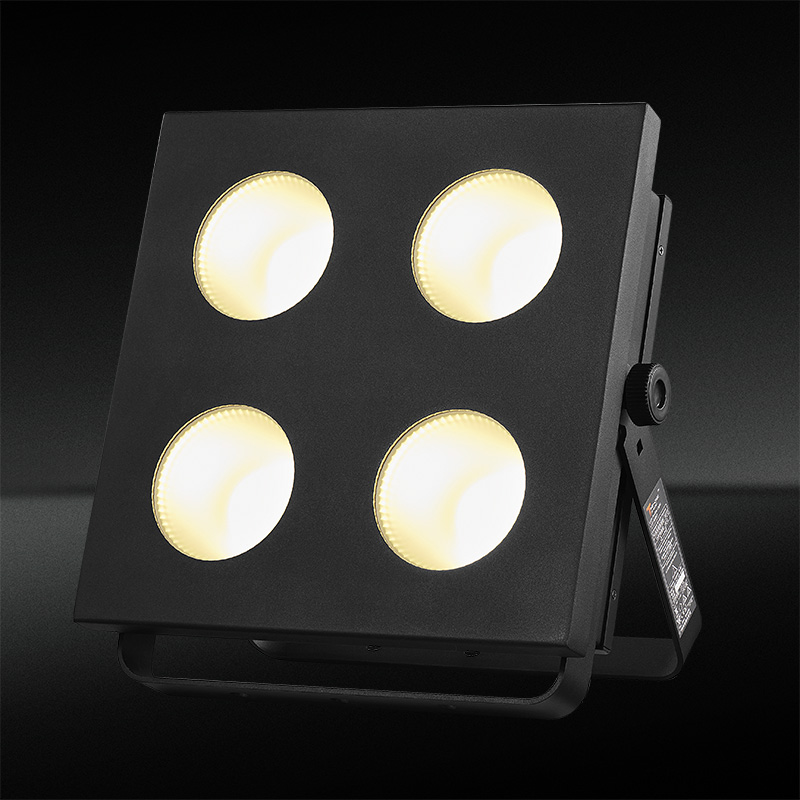
The 2x2 layout refers to a specific physical architecture where four distinct light sources are arranged in a symmetrical square grid. This design is universally recognized as the 4-eye blinder. It has cemented itself as the industry standard due to its incredibly versatile form factor. The symmetrical arrangement provides a balanced visual aesthetic on stage while offering enough surface area to project a wide, aggressively powerful beam. Its compact yet rugged housing allows rigging technicians to easily mount these units on standard aluminum trussing systems without adding unnecessary weight.
Pixel Mapping and Matrix Effects
One of the most revolutionary advantages of the 2x2 configuration is its seamless compatibility with advanced DMX control protocols. Traditional fixtures operate on a single, rudimentary dimming channel. In contrast, modern digital units allow lighting operators to control each of the four eyes independently. This capability unlocks the creation of intricate chasing effects, dynamic strobe patterns, and complex visual sequences. When multiple 2x2 fixtures are linked together in a grid format, they function as a low-resolution video wall. This displays scrolling patterns and geometric shapes that add incredible depth to the visual production.
Wide Coverage vs. Focused Punch
The optical design of the four-lens setup is meticulously engineered to deliver a dual-purpose performance. The combined output provides a wide, sweeping wash of light capable of instantly illuminating a massive outdoor stadium. However, because the light originates from four highly concentrated points, it retains a focused punch. This easily cuts through thick atmospheric stage haze and competing laser effects. This delicate balance between broad crowd coverage and high-intensity output makes the 2x2 configuration highly adaptable.
Industry Insights: The Shift Toward Dynamic Audience Illumination
Analyzing recent trends in the live event sector reveals a significant shift in how production designers approach crowd illumination. The modern concert-goer expects an immersive, 360-degree visual experience. They no longer want to just watch a static stage. Consequently, search trends and market data show a massive surge in the deployment of pixel-mappable LED configurations. These fixtures are no longer just utilitarian tools for lighting the crowd. They act as active architectural set pieces.
Market analysis indicates that event producers are prioritizing fixtures offering high-impact stage effects paired with rigorous energy efficiency. The ability to run low-resolution video content across a wall of blinders allows designers to blur the lines between traditional lighting and video production. Furthermore, sustainability mandates are becoming stricter for outdoor festivals. The rapid adoption of low-wattage, high-yield solid-state lighting is now a fundamental operational requirement rather than just a creative choice.
COB Blinder Technology: Superior Output and Color Mixing
Understanding Chip-on-Board LEDs
The raw performance of a modern audience light relies entirely on its underlying diode architecture. A premium COB blinder utilizes Chip-on-Board technology. Multiple LED chips are mounted directly onto a single thermal substrate to form a unified, high-density light module. This engineering approach vastly outperforms older surface-mounted technology. COB modules offer a significantly higher lumen density, resulting in a blindingly bright output from a remarkably small surface area. They provide superior thermal management and produce a single, cohesive shadow. This completely eliminates the undesirable multi-colored rainbow shadow effect often seen with older LED arrays.
Warm White, Cold White, and RGBW Options
Precise color temperature control is a critical factor in professional lighting design. Early generations of LED fixtures were heavily criticized for their sterile, clinical white output that washed out skin tones. Today, high-quality COB modules are specifically engineered to perfectly mimic the classic 3200K warm white glow of a burning halogen bulb. Many advanced units feature amber drift technology. This automatically shifts the color temperature to a warmer hue as the light dims, flawlessly replicating the natural thermal decay of tungsten.
The widespread availability of Red, Green, Blue, and White models allows designers to project vibrant, deeply saturated color washes over the crowd. This expands creative possibilities far beyond traditional white light. The audience illumination can now perfectly match the thematic color palette of the specific performance moment.
Creating High-Impact Audience Effects Without the Glare
Addressing the Blinding Pain Point
High-intensity output is absolutely necessary for dramatic impact. Still, audience comfort remains a primary concern for responsible event organizers. A frequent complaint regarding early LED technology was the harsh, piercing glare that caused severe visual discomfort. Manufacturers have successfully addressed this issue by integrating specialized optical lenses, frosted diffusion covers, and internal louvers into the fixture design. These components gently soften the point source of the light. They distribute the intensity more evenly across the viewing angle. The visceral visual impact is maintained without compromising the comfort of the concert-goers.
16-Bit Smooth Dimming Curves
The illusion of high-end theatrical lighting relies heavily on how a fixture handles transitions in intensity. Standard 8-bit dimming offers only 256 steps of resolution. This frequently results in visible stepping or aggressive flickering when fading to black. Professional-grade units utilize 16-bit dimming technology, providing an astonishing 65,536 steps of resolution. This allows for exceptionally smooth, linear fade-outs that mimic the natural decay of a tungsten lamp. Lighting operators can execute slow, dramatic blackouts without any abrupt snaps.
Using Blinders as Wash Lights
The incredible versatility of modern digital control systems allows these powerful fixtures to serve multiple roles. By dialing back the intensity and utilizing the ultra-smooth dimming curves, a high-power blinder easily doubles as a warm, ambient wash light. During slower acoustic ballads, designers can maintain a low-level output, such as 5 to 10 percent intensity, to softly illuminate the seating area. This dual functionality maximizes the utility of the lighting rig.
How to Position Your Stage Audience Light for Maximum Impact
Front Truss and Downstage Edge Placement
The strategic placement of your fixtures dictates their ultimate effectiveness. The most common rigging position is on the downstage front truss, angled slightly outward toward the seating area at approximately 45 degrees. This placement ensures maximum, even coverage of the crowd while keeping the intense light source out of the performers direct line of sight. Mounting fixtures directly along the downstage edge provides a powerful, low-angle up-light. This sweeps aggressively across the audience, creating a highly immersive environment during peak musical drops.
Upstage and Backlighting Angles
Beyond direct crowd illumination, these fixtures are highly effective when utilized as backlighting elements. Rigging them on the upstage truss behind the band creates dramatic, high-contrast silhouettes of the performers. When paired with theatrical stage haze, the concentrated beams violently cut through the atmosphere. This produces striking aerial volumetric effects. This specific positioning adds massive depth to the stage design.
Floor Mounting and Matrix Walls
For productions seeking a monumental visual statement, floor mounting offers a compelling solution. Rigging technicians can physically link multiple fixtures together on custom vertical towers or stack them directly on the stage deck. This constructs a massive wall of light. By utilizing pixel mapping across the entire wall, designers run complex video-style content, fluid color chases, and synchronized strobe impacts.
Halogen vs. LED Blinder Lights: The ROI and Efficiency Breakdown
To truly understand the financial and operational benefits of upgrading, production managers must evaluate the measurable differences. The following table provides an objective comparison of key performance metrics between legacy systems and modern digital solutions.
| Specification / Metric | Traditional Halogen 4-Lite DWE | Modern LED 4-Eye Blinder | Operational Impact |
|---|---|---|---|
| Power Consumption | Approx. 2600W | Approx. 400W | 84% reduction in power draw; fewer generators needed. |
| Heat Generation | Extremely High Infrared | Minimal | Lowers stage temperature; reduces venue HVAC costs. |
| Lifespan | 100 - 300 hours | 50,000+ hours | Eliminates frequent bulb replacement and labor costs. |
| Dimming Infrastructure | Requires external heavy dimmer racks | Built-in DMX dimming | Reduces truck weight, cabling, and setup time. |
| Color Options | Fixed | Variable Warm White or RGBW | Instant color changes without physical intervention. |
Power Consumption and Cabling
The most immediate return on investment comes from the drastic reduction in power requirements. A traditional 4-lite halogen fixture draws over 10 amps at 230V. This necessitates heavy-duty Socapex cabling and high-capacity power distribution boxes. In stark contrast, a comparable LED unit draws less than 2 amps. This incredible efficiency allows production companies to daisy-chain multiple fixtures on a single standard power circuit. It significantly reduces the amount of heavy copper cabling required.
Heat Reduction on Stage
Traditional tungsten bulbs convert a massive percentage of their energy into infrared heat rather than visible light. In enclosed venues, this excess heat creates a physically exhausting environment for musicians and actively risks detuning sensitive acoustic instruments. Solid-state lighting operates at a mere fraction of these temperatures. The reduction in stage heat radically improves performer safety and comfort.
Lifespan and Maintenance Costs
The fragile filament of a halogen bulb is highly susceptible to breaking from vibrations or transit shock. Production teams historically had to factor in the cost of spare bulbs for every single tour leg. Modern solid-state diodes boast operational lifespans exceeding 50,000 hours with absolutely no fragile glass to break. This rugged durability virtually eliminates ongoing maintenance costs.
Choosing the Right LED Blinder Light for Your Next Event - Buyer Guide
Selecting the appropriate illumination equipment requires a rigorous evaluation of technical specifications and environmental durability. Event producers cannot rely solely on aesthetic appeal. They must analyze empirical data to ensure the chosen fixtures meet the grueling demands of modern touring. Based on industry-leading engineering standards, here is what you need to look for.
Key Specifications for Engineers
When evaluating a high-impact fixture, the internal components dictate its operational effectiveness. A professional-grade unit must balance raw intensity with precise control.
Wattage and Output: The fundamental driving force is the wattage of the COB modules. For professional stages, look for 4x100W COB LED configurations. This delivers the necessary lumen output to ensure the beam reaches the back rows of large stadiums.
Color Temperature and CRI: Specify units that offer a dedicated 3200K warm white or a versatile 3200K to 5600K variable range. A Color Rendering Index above 90 ensures skin tones look natural on camera.
Beam Angle: A 60-degree beam angle is the sweet spot. It provides a wide enough spread for crowd washing while maintaining a punchy, concentrated center.
Ingress Protection Rating: Environmental resistance is non-negotiable. While IP20 is fine for indoor theaters, an IP65 rating is mandatory for outdoor use. IP65 units feature sealed die-cast aluminum chassis designs and waterproof connectors that prevent dust and rain ingress.
PWM Frequency for Flicker-Free Performance: Modern live events are heavily documented by professional broadcast cameras. Look for adjustable high-frequency PWM above 3000Hz to ensure flawless on-screen performance without visible banding.
Integration with Concert Lighting Systems
A powerful fixture is only as useful as its ability to communicate seamlessly with the central lighting console.
DMX Channel Architecture: Ensure the unit offers versatile DMX profiles. Standard professional units utilize 1, 2, 4, or 8 channel modes. This provides flexibility between quick master dimming and independent pixel-mapping control.
Remote Device Management: RDM allows lighting technicians to remotely address, configure, and monitor the status of every fixture directly from the control desk. This eliminates the need to physically climb trusses.
Power Distribution and Rigging: Industry-standard fixtures utilize locking power connectors allowing multiple units to be daisy-chained safely. Look for heavy-duty brackets and interlocking chassis hardware that allow for the rapid assembly of custom matrix walls.
Conclusion
Upgrading your illumination technology from outdated halogen systems to solid-state solutions is a remarkably smart investment. These advanced fixtures offer incredible energy savings, drastically reduced heat output, and robust durability that survives the rigors of touring.
A high-quality 4-eye fixture completely transforms the concert experience. By leveraging advanced COB technology and pixel-mapping capabilities, it bridges the physical gap between artists and fans. Careful selection based on wattage, IP rating, and control options ensures reliable performance during the most demanding live events.
Proper gear elevates your production value and leaves a lasting impression on your attendees. Explore professional audience blinder light solutions from trusted manufacturers to find the exact IP65 or indoor fixtures your rig demands. Choose efficient, high-impact lighting for your next show and watch the energy in the room completely transform.
Frequently Asked Questions
What is the difference between a wash light and an audience blinder light?
A wash light is engineered to provide smooth, continuous color coverage across a stage floor, utilizing a wide beam angle to eliminate harsh shadows. In contrast, a blinder is specifically designed for high-intensity, short-burst illumination directed outward at the crowd. While wash lights create ambient moods, blinders are utilized to create sudden visual impact and build tension during peak moments.
Can a 4-eye blinder replicate the classic tungsten fade?
Yes, high-quality LED fixtures accurately replicate the behavior of traditional halogen bulbs. Premium COB models utilize 16-bit dimming curves and integrated amber drift technology. As the console lowers the intensity, the internal processor automatically shifts the color temperature to a warmer hue. This mathematically simulates the slow thermal decay of a cooling tungsten filament.
Are LED blinder lights suitable for outdoor concerts?
They are highly suitable for outdoor applications, provided that the specific fixture carries an IP65 rating. An IP65-rated unit features a hermetically sealed chassis, specialized waterproof gaskets, and locking weatherproof connectors. This ensures the internal electronics are fully protected against dust storms and direct rain showers.
How many DMX channels does a 2x2 LED blinder use?
The channel count varies based on the selected operational mode. In its simplest configuration, a fixture might use only 1 to 4 channels to control master dimming and strobe speed. In advanced pixel-mapping modes, a 2x2 fixture can utilize 8, 16, or more channels. This allows the lighting console to independently control the intensity and color of each individual eye.
Will LED blinders cause flickering on camera?
Professional-grade LED units will not cause flickering on camera. Flickering occurs when a camera shutter speed misaligns with a low-frequency LED refresh rate. Professional stage lighting solves this by utilizing high-frequency Pulse Width Modulation dimming. With PWM frequencies adjustable above 3000Hz, these fixtures deliver a continuous light output that appears flawless on broadcast cameras.
What is the best beam angle for an audience blinder?
For most concert applications, a 60-degree beam angle is considered optimal. This specific angle provides a wide enough spread to wash a large section of the crowd while maintaining enough optical concentration to deliver a blinding punch. Wider angles dissipate the intensity too quickly, while narrower angles create isolated hot spots instead of an even wash.
How much power does a 4-eye LED blinder draw?
A professional 4-eye LED blinder typically draws around 400 watts at full intensity, assuming it utilizes four 100W COB modules. This is a massive efficiency upgrade compared to traditional halogen DWE fixtures, which regularly consumed upwards of 2600 watts for a similar physical footprint. This low power draw allows technicians to safely link multiple units on a single 20-amp circuit.


