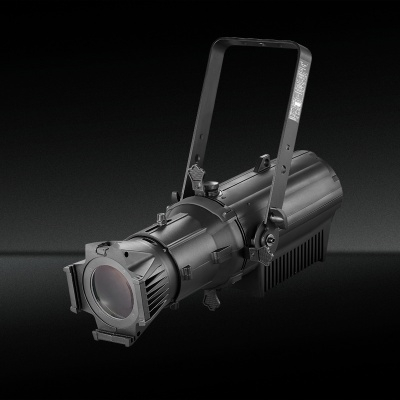
How To Maintain An LED Profile Spotlight For Long Life?
Views: 1 Author: Site Editor Publish Time: 2026-06-01 Origin: Site


Manufacturers often promise brilliant illumination lasting up to 50,000 hours. You install these premium fixtures expecting a decade of flawless performance. Yet, reality often sets in much sooner. Lights begin to flicker, color temperatures shift, or output drops noticeably. This creates frustration and unexpected maintenance burdens.
When a fixture fails early, the diode itself is rarely the actual culprit. Premature failure usually stems from secondary factors. Poor thermal management, incompatible driver systems, and harsh environmental conditions destroy internal components. Identifying these root causes is essential. You must understand how your fixtures interact with their surroundings to prevent early degradation.
This guide provides facility managers, contractors, and high-end residential users a scalable framework for lighting maintenance. We will explore practical audit protocols, specific procurement criteria, and component replacement strategies. You will learn exactly how to stabilize performance over time. By implementing these expert practices, you ensure long-term reliability and maximize the operational lifespan of your lighting investment.
Key Takeaways
L70 Standard: "Lifespan" means the time it takes for light output to degrade to 70% of its original brightness, not immediate total failure.
The Weakest Link: The LED driver (AC-to-DC converter) is usually the first component to fail, making stable voltage and correct dimmer matching critical.
Thermal Threat: For every 10°C increase in junction temperature, the operational lifespan of an LED profile spotlight can be reduced by up to 50%.
Modular Procurement: Choosing modular fixtures over fully integrated units allows for localized repairs (like swapping a driver or diffuser) instead of costly total replacements.
Preventative Audits: A structured schedule (monthly visual checks, quarterly cleaning, annual electrical audits) prevents irreversible thermal and mechanical stress.
The L70 Reality: Understanding Why LED Profile Spotlights Fail
Most marketing materials boast a 50,000-hour lifespan for modern lighting solutions. They typically base this impressive number on ideal laboratory conditions. The industry relies on the IES L70 standard to define this metric. This standard measures lumen depreciation over time. It marks the specific point where a diode’s output drops to 70% of its initial brightness. It does not mean the fixture simply turns off or breaks at 50,000 hours.
However, testing in a constant 25°C room keeps delicate components perfectly healthy. Reality is often much harsher. A poorly ventilated ceiling cavity or a tight retail display traps heat rapidly. These real-world environments drastically reduce the time it takes to reach the L70 threshold.
We must also address the "shortboard effect" in fixture design. The light-emitting diodes themselves are incredibly resilient. They can easily outlast other components by many years. The real vulnerability lies within the internal driver. This crucial component converts high-voltage AC grid power into smooth, low-voltage DC power. Drivers contain sensitive electrolytic capacitors. These capacitors bear the brunt of heat buildup and daily electrical surges. When an Led Profile Spotlight fails prematurely, the driver is almost always the broken link.
You must evaluate vendors carefully during the procurement stage. Do not rely solely on the marketed lifespan of the diode package. Look deeper into the engineering documentation. Ask manufacturers for TM-21 thermal testing reports. Check the warranty terms specifically covering the driver module. High-quality fixtures offer transparent data on thermal performance and driver durability.
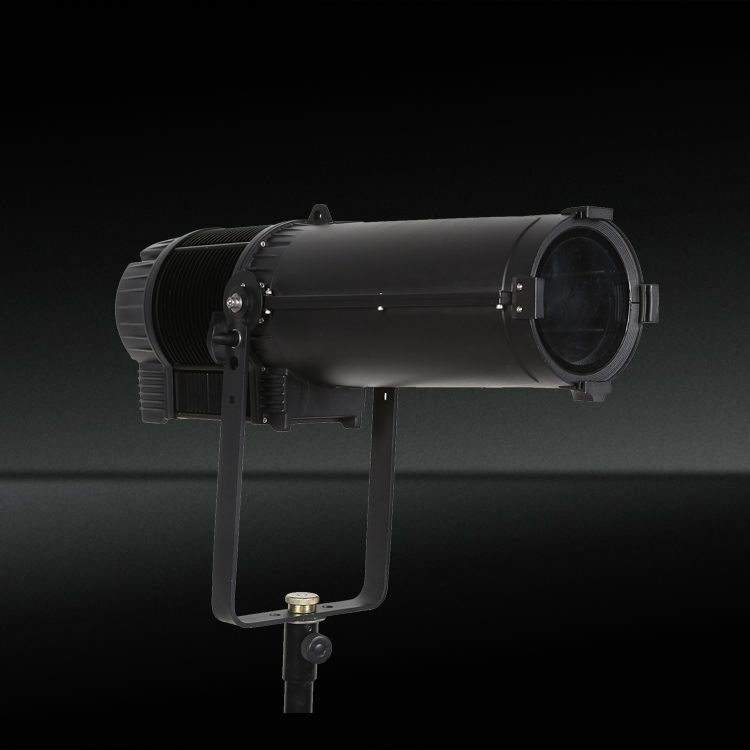
Thermal Management: The Prerequisite to Low Maintenance
Heat acts as the absolute enemy of solid-state lighting performance. Diodes generate concentrated thermal energy during normal operation. The metal heat sink must pull this energy away efficiently. When airflow is blocked, the internal junction temperature spikes rapidly.
Dust accumulation disrupts this cooling process entirely. Airborne particles settle on the cooling fins over time. A thick layer of dust acts just like an insulating blanket. It traps hot air against the heat sink housing. This forces the driver and the diodes to operate well above their safe thermal limits. Remember, every 10°C increase in junction temperature can cut the fixture's lifespan in half.
You can monitor thermal health effectively using two distinct methods:
Everyday check: Perform a simple touch test. Wait until the fixture operates for at least an hour. The surface of a healthy heat sink should feel comfortably warm. If it feels burning hot to the touch, you have a severe dissipation problem.
Commercial audit: Large facilities should deploy thermal imaging equipment annually. This specialized tool detects localized overheating quickly and accurately. You can easily spot failing components or blocked ventilation before they pose a fire hazard or destroy the diode.
Proper installation integrity prevents many thermal issues from day one. Always ensure adequate physical clearance around the housing. Air must flow freely to carry convective heat away. Never pack building insulation directly against non-IC (Insulation Contact) rated fixtures. Poor initial airflow accelerates component degradation instantly.
Electrical Compatibility: Dimming Systems and Voltage Stability
Pairing modern fixtures with legacy incandescent dimmers is a dangerous and common mistake. Old TRIAC dimmers operate by abruptly chopping the AC power wave. This aggressive mechanical stress tortures modern solid-state drivers. You will often experience visible strobing, audible humming, and eventual component burnout.
You must use ELV (Electronic Low Voltage) or reverse-phase dimmers. These specialized controls provide smooth, electronic voltage regulation. They match the specific operational requirements of modern drivers and protect the sensitive internal circuitry.
Minor daily voltage fluctuations also cause silent, cumulative damage. Local power grids constantly shift in response to demand. These tiny surges slowly degrade the internal capacitors within the driver module. For commercial arrays and large installations, we strongly recommend whole-circuit surge protection. These external panels absorb electrical shocks long before they reach your expensive lighting investments.
People often assume solid-state lighting handles constant switching perfectly. While they perform much better than legacy halogen bulbs, repeated switching still causes minor harm. Every on/off cycle introduces micro-stress through rapid thermal expansion and electrical inrush currents. You can minimize this mechanical wear effectively using automation.
Propose automated timed switches for standard operating hours. Install passive infrared occupancy sensors to optimize the duty cycle in low-traffic zones. These smart tools reduce unnecessary electrical switching and dramatically extend operational life.
| Dimmer Type | Compatibility | Impact on Driver Lifespan | Common Symptoms of Mismatch |
|---|---|---|---|
| Standard TRIAC (Legacy) | Low / Incompatible | Severe degradation | Flickering, loud humming, early driver death |
| ELV (Reverse-Phase) | High / Recommended | Optimal lifespan extension | Smooth dimming, silent operation |
| 0-10V Analog | Commercial Standard | Stable, low stress | Requires dedicated low-voltage wiring runs |
Developing a Scalable Maintenance Schedule
Maintaining an effective Led Profile Spotlight requires consistency rather than complex daily labor. Setting up a predictable maintenance calendar prevents minor issues from compounding into expensive failures. We recommend dividing your audits into physical checks and system reviews.
Monthly and Quarterly Physical Audits
Physical inspections focus on removing environmental stressors. Establishing a strict cleaning protocol is your first line of defense. Gently wipe optical lenses and heat sinks with dry, static-free microfiber cloths.
You must avoid corrosive chemical cleaners completely. Ammonia or bleach-based sprays degrade polycarbonate lenses and strip protective coatings off metal housings. Excessive moisture can also penetrate weak seals and instantly void IP (Ingress Protection) ratings.
Vibration checks are equally important for specific environments. If you mount fixtures near heavy traffic corridors, loading docks, or heavy doors, constant vibration causes harm. Over several months, this movement loosens mounting brackets. Check torque variations on all hardware to prevent dangerous wiring disconnects or physical drops.
Annual System Reviews
Yearly reviews dive deeper into the electrical and digital health of your installation. Follow a structured approach to evaluate system performance.
Verify mounting hardware: Re-tighten all safety cables and structural clamps.
Thermal scanning: Scan driver housings using an infrared camera to locate abnormal hot spots.
Perform Photometric Analysis: Measure current lumen output against your initial baseline data. This helps you track actual lumen depreciation and plan future replacements accurately.
Update Network Firmware: For intelligent fixtures, check manufacturer portals for software updates. Firmware patches optimize sensor efficiency, improve dimming curves, and fix minor control bugs.
Inspect Weather Seals: For damp-rated fixtures, check all silicone gaskets for cracking or dry rot to prevent moisture ingress.
Repair vs. Replace: Optimizing Your Component Strategy
Users frequently complain about a severe drop in brightness over time. They immediately assume the diodes are dying and prepare to discard the entire unit. However, the LED array often remains perfectly healthy. The real problem usually lies with the plastic diffuser or outer lens.
Continuous exposure to ambient heat and microscopic UV radiation degrades plastics. The diffuser slowly turns yellow, brown, or visually cloudy. This discoloration absorbs light before it ever leaves the fixture. By simply replacing a $10 plastic lens, you can instantly restore the original optical clarity and brightness.
This highlights the importance of evaluating modular designs during your purchasing phase. We advocate strongly for buying fixtures where drivers, optical lenses, and diode arrays are distinct, independent parts. Fully integrated, sealed units force you to throw away a heavy metal housing just because one cheap capacitor failed.
Modular lighting offers tremendous logistical advantages. You can swap out a dead driver module in minutes without removing the main housing from the ceiling. This approach reduces electronic waste significantly and speeds up daily maintenance.
Commercial facilities benefit greatly from stocking critical spare parts. We outline the high return on investment for maintaining a small onsite inventory. Keep a dedicated supply of compatible drivers, optical covers, and replacement wiring harnesses in your maintenance room. Having these specific parts on hand eliminates long factory lead times. You can restore essential lighting instantly, avoiding costly operational downtime.
Conclusion
Maintaining modern lighting systems is less about constant daily tinkering and more about establishing perfect operating conditions from the start. You must secure correct dimming compatibility to protect sensitive drivers. You must guarantee uncompromised heat dissipation to protect the diodes. Finally, strict adherence to a scheduled physical cleaning routine prevents environmental decay.
Take proactive steps today to secure your investment. Audit your current lighting controls immediately to verify ELV dimmer compatibility. During your next procurement cycle, prioritize fixtures featuring modular designs and transparent driver warranties. By focusing on thermal management and high-quality components, you ensure a brighter, safer, and remarkably stable lighting environment for years to come.
FAQ
Q: Can I use any dimmer switch with my LED profile spotlight?
A: No. Using standard incandescent dimmers can cause strobing, humming, and severe damage to the LED driver. Always verify compatibility with ELV or manufacturer-specified dimmers.
Q: Why is my LED spotlight changing color or turning purple?
A: This is typically caused by the degradation of the internal phosphor coating, almost always accelerated by chronic overheating or poor initial manufacturing quality. It requires component replacement.
Q: Are LED profile spotlights completely maintenance-free?
A: While they require far less maintenance than halogens, they are not zero-maintenance. Dusting heat sinks and ensuring driver stability are essential to reach their advertised L70 lifespan.
Q: How often should commercial LED spotlights be professionally inspected?
A: A yearly electrical and physical audit (checking grounding, driver performance, and mounting integrity) is recommended to prevent localized failures from spreading across the circuit.