Can an LED Fresnel Light Be Used for Broadcast Studio Lighting?
Views: 2 Author: Site Editor Publish Time: 2026-08-08 Origin: Site


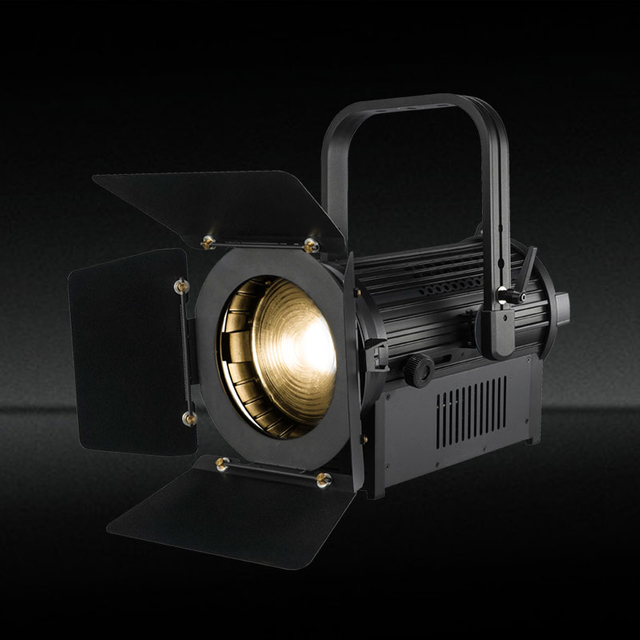
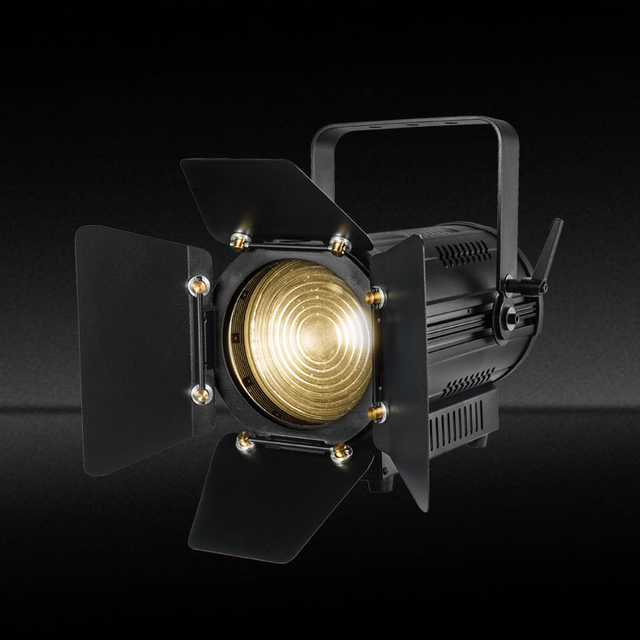
The broadcast industry is currently undergoing a massive technological shift. Studios everywhere are rapidly abandoning traditional tungsten and halogen fixtures in favor of advanced LED technology. You might naturally wonder if this modern gear holds up to rigorous television standards. The answer is a resounding yes. An Led Fresnel Light is not merely a viable replacement today. It has become the undisputed baseline for any modern Broadcast Studio Light grid. Heat-heavy legacy setups simply cannot compete with today's strict efficiency and safety demands. This article provides a comprehensive technical and operational framework to help you confidently navigate this studio transition. We will explore exactly how to evaluate, shortlist, and implement these modern fixtures. Ultimately, you will learn how to reduce operational burdens without ever compromising your critical on-camera broadcast quality.
Key Takeaways
- Optics & Control: LED Fresnels replicate the precise, adjustable beam control of legacy tungsten lights while reducing thermal output and power consumption.
- Camera-First Metrics: Broadcast suitability depends heavily on TLCI (Television Lighting Consistency Index) scores, high-frequency refresh rates (flicker-free), and fan noise management.
- Cost vs. Lifecycle: While initial capital expenditure is higher, the total cost of ownership (HVAC savings, zero lamp replacements) justifies the upgrade for permanent studio installations.
- Integration: Modern fixtures require robust DMX512 implementation for seamless control room operation.
Why LED Fresnel Lights Align with Modern Broadcast Studio Requirements
Broadcast studios constantly face rising operational costs. High power consumption drains production budgets quickly month after month. Traditional halogen fixtures generate intense, radiating heat during operation. This intense heat puts severe strain on studio HVAC systems. Air conditioning units must work overtime just to maintain a baseline room temperature. Production teams also waste valuable hours on continuous lamp maintenance. Halogen bulbs burn out frequently and require careful, gloved replacement. Replacing these outdated fixtures solves multiple business problems simultaneously. It streamlines daily operations. It also creates a significantly safer working environment for everyone on set.
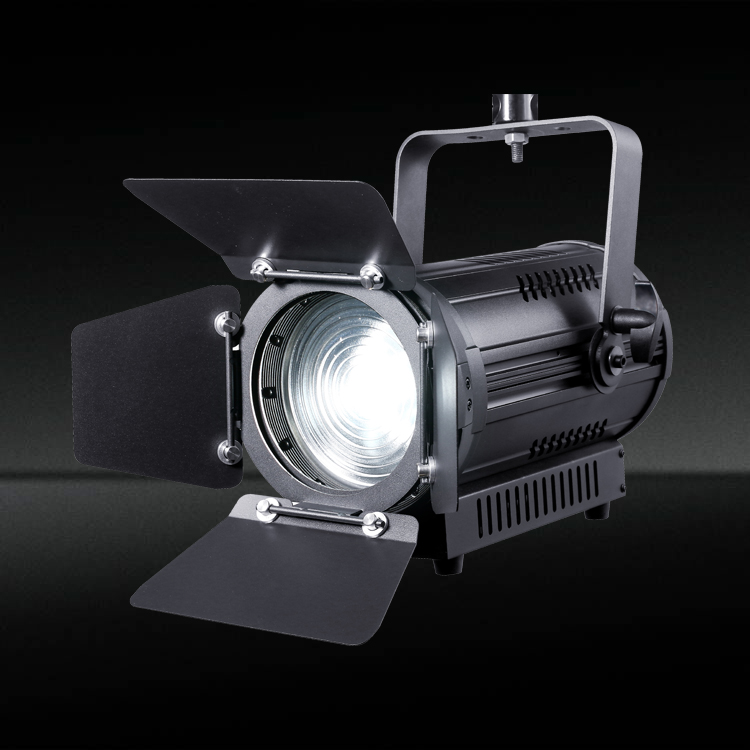
Optical continuity remains a top priority for lighting directors. A traditional glass Fresnel lens pairs perfectly with a modern single-source COB (Chip on Board) LED. This smart combination flawlessly mimics traditional shadow rendering. It produces the precise, single, hard-edge shadow necessary for news desks. Green screens also demand this exact type of directional light control. Multiple distinct shadows distract television viewers and ruin chroma key effects. The COB design eliminates this annoying multi-shadow effect entirely. You get the classic optical feel without relying on antiquated technology.
Thermal and power efficiency gains are immediate and highly measurable. A modern 200W or 300W LED effectively replaces a massive 1000W tungsten fixture. This dramatic power reduction drops ambient studio temperatures significantly. On-air talent stays comfortable and stops sweating under the studio lights. Makeup artists require fewer touch-ups during long live broadcasts. The overall studio atmosphere becomes much more pleasant. Furthermore, lower power draw frees up electrical capacity on your breaker panels. You can easily plug in additional monitors or cameras without tripping circuits.
Core Evaluation Criteria for a Broadcast Studio Light
Camera sensors see light quite differently than the human eye. Standard CRI (Color Rendering Index) is insufficient for professional broadcast environments. You must evaluate the TLCI (Television Lighting Consistency Index) instead. The European Broadcasting Union developed this standard specifically for video capture. Broadcast applications require TLCI scores well above 95. High scores prevent unnatural skin tone shifts on camera. This accuracy minimizes expensive color grading during post-production. It saves editors countless hours of corrective work. You achieve perfect color right out of the camera.
Table: Color Metric Comparison for Studio Cameras| Metric | Primary Use Case | Broadcast Reliability | Key Limitation |
|---|---|---|---|
| CRI | General architectural lighting | Low to Moderate | Focuses on human eye perception, missing camera sensor nuances. |
| TLCI | Television and video production | Very High | Requires specialized spectrometers to measure accurately. |
Flicker-free performance is another absolute necessity for video capture. You need high PWM (Pulse Width Modulation) frequencies inside the fixture. High PWM ensures compatibility across various camera frame rates. It also accommodates different shutter angles seamlessly during slow-motion playback. Budget fixtures often show noticeable horizontal banding on control room monitors. A professional Broadcast Studio Light maintains continuous, flicker-free output at any dimming level. You should always verify PWM specs before finalizing any purchase order.
Acoustic noise management matters deeply in live broadcasting. Sensitive lavalier and boom microphones pick up everything in the room. Studio lights must feature ultra-quiet or smart-cooling fans. Passive cooling designs are highly prized in these demanding environments. Fan noise simply cannot ruin critical audio recording during a quiet interview. You must prioritize acoustic stealth when selecting overhead studio gear. Listen to the fixture in a silent room before approving it.
Finally, smooth dimming curves are vital for live transitions. Evaluate fixtures carefully for true 16-bit dimming capabilities. This advanced control ensures step-less transitions from zero to 100 percent. You should see no color temperature shifts at low intensities. Poor dimming creates jarring visual jumps on camera. It ruins the professional polish of your live broadcast. Broadcasters need lights that fade elegantly and smoothly to black.
Implementation Risks and Technical Trade-Offs
Upgrading to LED technology brings specific technical challenges. The weight factor often catches riggers off guard during installation. High-wattage LED Fresnels carry large, heavy internal heat sinks. They also house robust internal power supplies and drivers. These modern units are sometimes noticeably heavier than legacy tungsten counterparts. You must carefully assess your ceiling rigging limits. Always verify the maximum load capacity of your pipe grid. Safety must remain the primary concern when hanging heavy equipment overhead.
Color temperature consistency presents another common technical trade-off. You must choose between Bi-color and single-color fixtures for your grid. Bi-color models offer excellent adjustable flexibility for changing sets. However, they typically deliver a lower maximum output per watt. Single-color fixtures provide significantly higher overall punch. They strictly emit either fixed Daylight or fixed Tungsten temperatures. They also guarantee strict color consistency across multiple units. Fixed sets usually benefit most from single-color reliability.
Heat sink depreciation is a hidden long-term operational risk. Poorly manufactured LED fixtures degrade quickly under continuous daily use. Inadequate thermal management slowly bakes and ruins the COB chip over time. The fixture gradually loses precise color accuracy. It also drops noticeably in overall output brightness. You must inspect the heat sink design carefully during evaluation. Massive, well-machined aluminum heat sinks indicate better thermal stability.
Here is a practical checklist for evaluating thermal stability in your studio:
- Run the fixture at 100% intensity for two continuous hours.
- Measure the color temperature drop using a professional spectrometer.
- Listen closely for abnormal fan bearing noise as heat rises.
- Inspect the external housing temperature for even heat distribution.
Sizing and Shortlisting: Wattage, Throw Distance, and Beam Angle
Proper sizing ensures adequate illumination without wasting precious capital. Mapping your specific studio dimensions is the crucial first step. You calculate required output based on two main physical factors. These are your physical grid height and the subject throw distance. High ceilings require tighter beams to maintain adequate light punch. Low ceilings benefit from wider, softer washes. You must tailor the wattage to your exact room size. Over-lighting a small space creates unnecessary glare.
Zoom range requirements dictate your overall fixture versatility. A wide zoom range like 15° to 50° serves multiple setups well. Tight spotting works perfectly for highlighting individual news anchors. Wide flooding smoothly illuminates large green screens behind the talent. Evaluate how frequently your studio sets change their layout. A versatile zoom range future-proofs your lighting investment against set redesigns.
You must also decide between manual and motorized zoom. Manual operation is highly cost-effective upfront. It works best for fixed news sets where lights rarely move. Motorized or DMX-controlled zoom carries a higher initial capital cost. However, it significantly lowers ongoing labor in multi-use studios. Lighting technicians can refocus beams directly from the control desk. They never need to climb a ladder or bring in a scissor lift.
Here are some best practices for finalizing your fixture sizing:
- Measure the exact diagonal distance from the grid directly to the talent's face.
- Account for potential light loss if adding diffusion gels or softboxes later.
- Group fixtures by similar wattage to simplify electrical load planning on the grid.
- Test the beam edge softness to ensure it blends well with adjacent fixtures.
System Integration: DMX Control and Infrastructure Readiness
Your new lighting grid must talk smoothly with existing control systems. Robust DMX512 implementation is absolutely non-negotiable for professional studios. Ensure your chosen Led Fresnel Light supports standard industry protocols. Look for reliable 3-pin or 5-pin DMX connectors on the back panel. This guarantees direct integration with your current lighting consoles. It prevents costly protocol converter purchases. It also ensures zero lag during fast lighting cues.
Power and data daisy-chaining streamlines your overhead infrastructure immensely. Evaluate fixtures offering dedicated PowerCON in and out ports. Pair these power connections with DMX in and out configurations. This smart design minimizes cable clutter across the ceiling grid. You string fewer cables back to the main power drops. Cleaner grids are inherently safer for maintenance crews. They are also much easier to troubleshoot during a live broadcast.
RDM (Remote Device Management) capability offers a massive operational advantage. RDM allows vital bi-directional communication directly with the suspended fixture. You can change DMX addresses remotely from the studio floor. It also provides real-time status monitoring for internal temperatures and fan speeds. This specific feature is invaluable for managing large-scale broadcast grids efficiently. It saves technicians tremendous amounts of maintenance time and physical effort.
Conclusion
An LED Fresnel remains the absolute optimal choice for television studios. It easily handles the rigorous operational demands of daily broadcasting. We have seen exactly how it outperforms legacy halogen systems across the board. True success requires meeting strict criteria for TLCI, acoustic noise, and smooth dimming. Remember to verify the heat sink quality before signing a purchase order. You must also check the PWM frequency to guarantee flicker-free operation.
Your logical next step should involve practical in-house testing. We highly recommend conducting a single-fixture shoot-out. Bring a demo unit directly into your actual studio space. Test it thoroughly on camera to evaluate real skin tones. Listen closely to the fan noise using your own sensitive studio microphones. This methodical approach ensures complete confidence before committing to a full grid retrofit. You will secure a reliable, high-quality lighting system for years to come.
FAQ
Q: Does an LED Fresnel light flicker on camera?
A: Broadcast-grade LEDs use high-frequency PWM to remain flicker-free. However, budget models may still flicker at high frame rates. You should always check the refresh rate specifications before purchasing. Professional fixtures maintain smooth output across various shutter angles.
Q: What is the LED equivalent of a 1000W tungsten studio light?
A: Typically, a 200W to 300W high-quality COB LED Fresnel will output comparable lux levels to a 1000W tungsten fixture. This dramatic efficiency reduction keeps the studio much cooler and lowers energy bills significantly.
Q: Should a broadcast studio use bi-color or single-color LED Fresnels?
A: Single-color fixtures are generally preferred for fixed news sets. They provide higher maximum output and absolute consistency. Bi-color models offer great flexibility for multi-purpose studios but may sacrifice some overall intensity.
Q: How loud are the cooling fans in LED Fresnel lights?
A: Broadcast-specific models are engineered with silent fans. Some use heat-sink-heavy passive cooling systems. They typically operate well under 20-25 dB. This ensures the lights do not interfere with sensitive studio audio recording.