
Is soft white light good for the eyes?
Views: 30 Author: Site Editor Publish Time: 2025-09-30 Origin: Site


In our increasingly digital world, the lighting we use plays a crucial role in our overall well-being, especially when it comes to eye health. One type of lighting that has gained significant attention in recent years is LED soft light. But is it good for the eyes? To answer this question, we need to explore the benefits and potential drawbacks of using soft white LED lights, particularly in comparison with other lighting options. In this article, we will examine what LED soft light is, its effects on the eyes, how it compares to other lighting types, and whether it is a good choice for long-term eye health.
What is LED Soft Light?
LED soft light refers to lighting that is produced by light-emitting diode (LED) bulbs that emit a warm, yellowish light rather than the stark brightness of cooler light types. The "soft" aspect of the light refers to its gentle, diffused quality, which reduces harsh glare and creates a more comfortable, relaxing ambiance. Soft white light typically has a color temperature of around 2700K to 3000K, which makes it suitable for environments where a cozy, warm atmosphere is desired, such as living rooms, bedrooms, and restaurants.
LED technology has revolutionized the way we illuminate our spaces. Unlike traditional incandescent bulbs, LED lights use a semiconductor to produce light, offering numerous advantages, including energy efficiency, longer lifespan, and reduced heat emission. But how does LED soft light impact our eyes, and why has it become a popular choice?
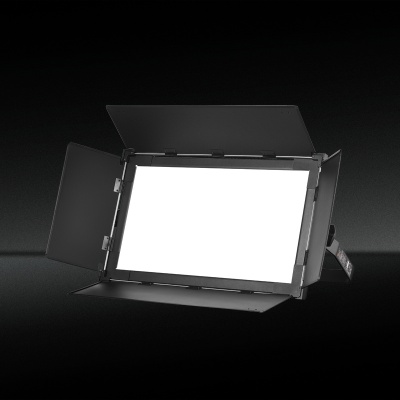
The Impact of LED Soft Light on Eye Health
There are several factors to consider when evaluating the effect of LED soft light on the eyes, including its brightness, flicker, and color temperature. Let's break down each of these factors:
1. Brightness and Glare
Soft white LED lights, by nature, are designed to reduce glare. Unlike bright, harsh lights, such as those produced by halogen bulbs or cool white LEDs, soft white lights are gentler on the eyes. This reduction in glare can help prevent eye strain, which is common when exposed to high-intensity lighting over long periods.
Glare can cause the eyes to squint and work harder to adjust, which leads to fatigue and discomfort. By diffusing light and reducing harsh contrasts between light and dark areas, LED soft light creates a more comfortable visual experience, especially in low-light conditions. As a result, individuals working or relaxing under soft white lighting may experience fewer symptoms of eye strain, such as dryness, irritation, and blurred vision.
2. Flicker-Free Lighting
One potential downside of some LED lights is the flickering that can occur, particularly in lower-quality bulbs. Flicker is not always visible to the naked eye but can still impact eye health. This flicker can cause discomfort, headaches, and even exacerbate conditions like migraines or motion sickness in sensitive individuals.
Fortunately, many high-quality LED soft lights are designed to be flicker-free. The flicker-free design ensures that the light remains steady and constant, which is especially important when you’re working at a desk, reading, or engaging in other visually demanding tasks. By opting for high-quality, flicker-free LED soft light, you can mitigate the risk of discomfort or strain caused by this issue.
3. Blue Light Emission
One of the primary concerns with modern lighting, especially with LED and digital screens, is the emission of blue light. Blue light has been associated with a range of potential eye health issues, such as digital eye strain, sleep disturbances, and retinal damage with prolonged exposure.
While LED soft light produces significantly less blue light than cooler LED lights (such as daylight LEDs), it still emits some amount. However, because soft white light has a warmer color temperature (2700K to 3000K), the amount of blue light emitted is much lower compared to daylight LEDs, which can have color temperatures of 5000K and higher.
The lower amount of blue light in soft white LED lighting means that it is less likely to disrupt sleep patterns, especially if used in the evening. This is why soft white lighting is often recommended for bedrooms and areas where you unwind before bedtime.
4. Healthier Lighting for Sleep
There is growing evidence to suggest that exposure to harsh, cool lighting (which contains more blue light) in the evening can interfere with your body’s natural circadian rhythm. The circadian rhythm is the internal clock that regulates sleep-wake cycles, and exposure to blue light can suppress the production of melatonin, a hormone that helps you fall asleep.
LED soft light, with its warmer hue, is much less disruptive to melatonin production and, as a result, can help maintain a healthier sleep routine. For people who struggle with sleep disorders or those who have difficulty winding down in the evening, using soft white LED lights in the bedroom can create a more conducive environment for restful sleep.
Comparing LED Soft Light with Other Lighting Types
To understand the advantages of LED soft light for the eyes, it’s helpful to compare it to other common lighting options.
LED vs. Incandescent Bulbs
Traditional incandescent bulbs emit a warm, yellowish light similar to LED soft light. However, incandescent bulbs are much less energy-efficient and have a much shorter lifespan. In terms of eye comfort, both types of light are relatively gentle on the eyes. However, LED bulbs are cooler to the touch and don’t emit as much heat, which can be a concern with incandescent bulbs in confined spaces.
LED vs. Fluorescent Bulbs
Fluorescent lights, often found in office environments, emit a cooler, harsher light than LED soft lights. The light from fluorescent bulbs can often cause glare, eye strain, and headaches. Furthermore, fluorescent lights can sometimes flicker, which can exacerbate these problems.
LED soft lights, in contrast, are much gentler and produce a more natural light, reducing the risk of discomfort. Additionally, LED soft lights do not contain harmful substances like mercury, which is found in some fluorescent lights.
LED vs. Halogen Bulbs
Halogen bulbs emit bright white light and are often used in situations that require strong, direct lighting, such as spotlights. While halogen bulbs can provide good illumination, their intensity can lead to significant glare, especially when used for long periods. This glare can cause eye strain and fatigue, making them less ideal for extended exposure.
LED soft light provides a softer, more diffuse light, which makes it easier on the eyes, especially in settings where you need to work or relax for long durations.
How LED Soft Light Affects Different Activities
Reading and Studying
When reading or studying, it’s important to have adequate lighting that doesn’t cause strain. LED soft light provides a balanced, gentle illumination that enhances visibility without causing discomfort. The soft, diffuse light reduces harsh shadows and glare, making it ideal for tasks that require prolonged visual focus.
Office Work
For office workers who spend long hours in front of a computer, soft white LED lighting can help reduce digital eye strain. Unlike cooler, brighter light, which can contribute to fatigue and dryness, LED soft light creates a more comfortable working environment. Its warm glow also promotes relaxation, which is essential for maintaining focus and productivity.
Sleep and Relaxation
As mentioned earlier, LED soft light is an excellent choice for environments where relaxation is key, such as bedrooms or living rooms. Its calming effect on the eyes, combined with its minimal blue light emission, makes it a good option for winding down before bed.
FAQs
1. Is LED Soft Light Good for Your Eyes?
Yes, LED soft light is good for your eyes. It provides a gentle, diffused light that reduces glare and eye strain. Additionally, its lower blue light emission makes it a better choice for evening use, promoting better sleep.
2. How Does LED Soft Light Compare to Daylight LED?
Daylight LED lights emit a cooler, bluish light, which is harsher on the eyes compared to the warm, yellowish light of soft white LEDs. While daylight LEDs are ideal for tasks requiring high visibility, soft white LEDs are better for creating a relaxed, comfortable environment.
3. Can LED Soft Light Cause Eye Strain?
LED soft light is less likely to cause eye strain compared to harsher light sources like fluorescent or halogen bulbs. However, it’s still important to ensure that the light is flicker-free and appropriately placed in your environment.
4. Is LED Soft Light Safe to Use at Night?
Yes, LED soft light is safe to use at night. Its warm tone minimizes the disruption to your circadian rhythm and helps maintain healthy sleep patterns. Unlike cool white lights, soft white LEDs are less likely to interfere with melatonin production.
Conclusion
LED soft light offers numerous benefits for eye health, especially when compared to harsher lighting options like fluorescent or halogen bulbs. Its warm, diffuse light reduces glare and eye strain, making it an ideal choice for tasks that require extended visual focus. Additionally, its lower blue light emission makes it less disruptive to sleep, ensuring that you maintain a healthy sleep-wake cycle.
By choosing high-quality, flicker-free LED soft lights, you can create a comfortable, relaxing environment that promotes both eye health and overall well-being. Whether you're working, reading, or winding down for the evening, LED soft light is an excellent choice for protecting your eyes while enhancing the ambiance of your space.


